 new in 1.1.0: her room
 try on whole outfits, free
 anonymous letters to strangers who write like you
 strangers send you stickers
 a tarot card after ten letters
 no profiles. no photos. no swiping.
 free on iPhone
Someone to talk to app: free places, what is safe, and the case for a person instead of an AI
Helplines that are there for an ordinary bad evening, three apps where a person answers and one where software does, a safety check before you open up, and what four studies found about AI and loneliness.
the short version
You can find someone to talk to for free: helplines say they are also for when you just need to talk, 7 Cups and TalkLife connect you with listeners and peers, and Kindredly lets a stranger answer a letter. An AI chat can ease a bad moment, but in a two-week study, only talking to a person lowered loneliness.
7 sourcesKindredly is an anonymous penpal app that matches strangers by how they write.
| Where | Best for | Who answers | Your name | Price | The honest catch |
|---|---|---|---|---|---|
| A free helpline | A trained person to talk to today | A trained person; often by phone, text or online chat | Free, anonymous and confidential, Find A Helpline says | Free | A conversation for now, not a friendship |
| Kindredly | Writing it down for someone who doesn't know you | A stranger who writes the way you do | A name the app gives you, your letters, your star sign unless you turn it off; no photo, no profile, no city | Free: ten strangers' letters a day, five new letters of your own a day | Letters, not a call: a reply comes when someone chooses to write one; 18+ |
| 7 Cups | A one-to-one chat with a listener, right now | A trained volunteer listener, by text chat | Anonymous, even to your listener | Free listeners; online therapy is paid | Its listeners are volunteers, not professionals; listing in English, 13+ |
| TalkLife | Company at any hour among people going through something too | Other members: private messages, group chats and public posts | Not stated in its listing | Free; optional paid extras such as Hero ($5.99) | What you share can become a post many people see; listing in English, 16+ |
| Wysa | A 3 a.m. conversation without another person | An AI chatbot | Anonymous, its listing says | Free chatbot; Wysa Premium listed at $74.99 to $99.99 a year | Software, not a person |
None of these is therapy or a crisis service. If you are in danger, call or text 988 in the US, or your local emergency number. App facts from each App Store listing, checked on 23 November 2026.
It is late, the flat is quiet, and something happened today that you would like to say out loud. Not to fix it. Just to tell someone, and have them hear it. The people you would normally tell are asleep, or too close to it, or not there anymore.
You can find someone to talk to for free. Find A Helpline says helplines are free and are there for when you just need to talk, not only for emergencies. Peer-support apps such as 7 Cups and TalkLife connect you with people at any hour, and letter apps such as Kindredly let a stranger read what you wrote and answer it. Before you open up, check what the other side sees of you and whether a person or software is answering. An AI chat can ease a bad moment, but in a two-week study, only talking to a person lowered loneliness.
None of these apps is therapy or a crisis service. If you are thinking about hurting yourself, or you are in danger, please reach out now: in the US, call or text 988 (the Suicide & Crisis Lifeline). Anywhere else, call your local emergency number, or find a free, confidential line near you at findahelpline.com.
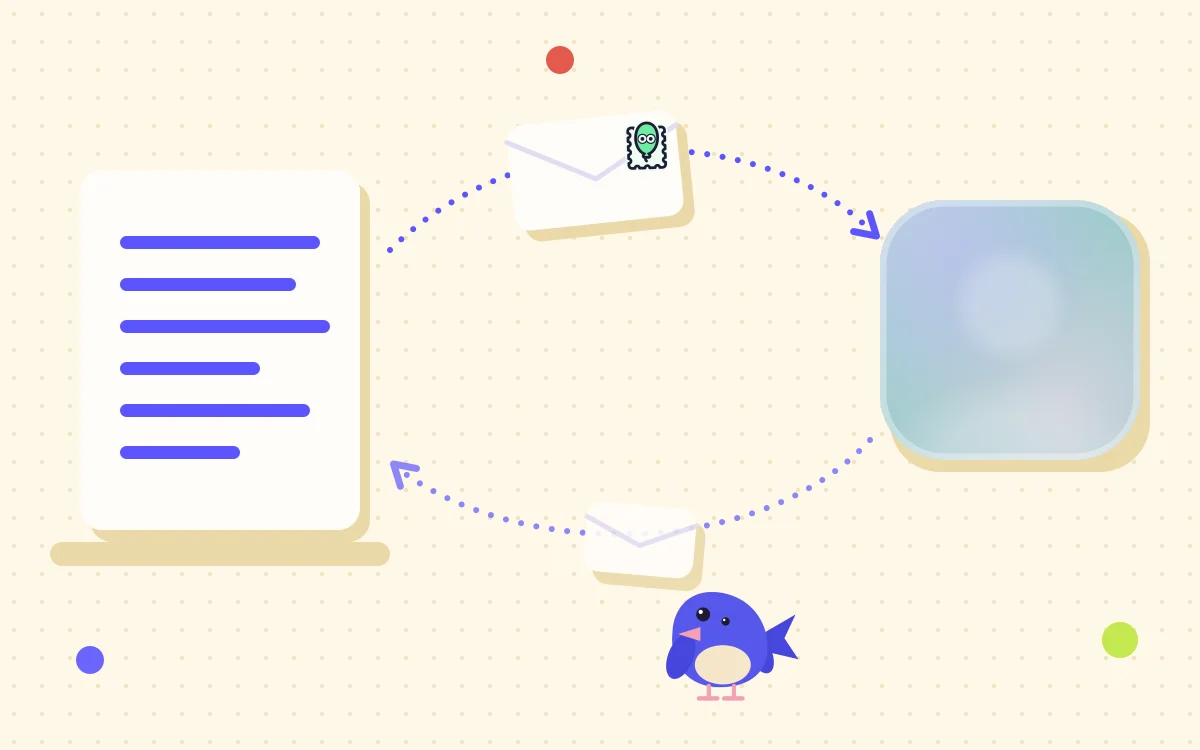
Where to find someone to talk to for free
How we picked. We kept to places where a person, or at least a listener, answers you, and where you can start without paying.
- Free to start, with what costs money said plainly.
- You can stay anonymous.
- It says what it is not: a crisis service, a therapist, a person.
- Facts come from each service's own App Store listing or website, checked on 23 November 2026.
A free helpline
Best for when the evening is heavy and you want a trained person on the other end today. Find A Helpline lists verified helplines in more than 175 countries, and says they are free, anonymous and confidential, often by text or online chat as well as by phone. It also says you don't have to be in a severe situation to call: you might just need to talk. In the US, the 988 Lifeline says the same in its own words, for when you "just need someone to talk to". The honest catch: a helpline is a conversation for now, not a friendship.
Kindredly
Best for writing it down for someone who doesn't know you, and getting a reply from a person. Kindredly is an anonymous penpal app on iPhone and the web. You write a letter to nobody in particular, and it lands first with strangers who write the way you do. A stranger sees a name the app gives you, your letters and your star sign unless you turn it off: no photo, no profile, no city. A safety check reads letters before they reach strangers' desks, and anyone can be reported or blocked in one tap. It is free, with ten strangers' letters on your desk a day and five new letters of your own a day. The honest catch: it is letters, not a call. A reply comes when someone chooses to write one, not in the next minute, and it is for adults only (18+).
7 Cups
Best for a one-to-one chat with a listener, right now. 7 Cups says it offers emotional support around the clock by text chat with trained listeners for free. You stay anonymous, even to your listener, its listing says. Online therapy with licensed professionals is a paid part of the app. The honest catch: its listeners are volunteers, not professionals, its listing says. Its App Store listing is in English and rated 13+.
TalkLife
Best for company at any hour among people who are going through something too. TalkLife is a peer-support community with private messages, group chats and public posts. Its listing says it is free to use in its entirety, with optional paid extras such as a Hero membership ($5.99), and that it is not a substitute for professional services. Its website says conversations are moderated around the clock. The honest catch: what you share can become a post that many people see and answer at once. Its listing is in English and rated 16+.
Wysa
Best for a 3 a.m. conversation when you would rather not involve another person at all. Wysa is an AI chatbot for everyday feelings. Its listing says your identity stays anonymous, that it offers no diagnosis or treatment advice, and that in a crisis you should reach out to doctors. The chatbot is free; Wysa Premium is listed at $74.99 to $99.99 a year. The honest catch: you are talking to software, not a person, which the next sections come back to.
Is a someone-to-talk-to app safe?
It can be, if you check a few things before you say anything personal. Five questions cover most of it.
- What does the other person see of you? A name you choose or one the app gives you is safer than your real name, your photo or your city.
- Is it a person or software? Some apps mix the two. Read the listing until you know which one is answering.
- What does it say it is not? A good app tells you plainly that it is not a crisis service or a therapist, and where to go instead.
- Who is it for? Look at the age rating and who the app is built for. A support app and a dating app can look alike in a store.
- Can you leave, report and block? You should be able to end a conversation and report someone in a tap or two.
Then keep your half safe. Leave out your full name, your workplace and anything that would lead someone to your door. Keep money out of it entirely. If someone you have only just met asks for your number, your social handles or a photo, slow down; often, stop. There is more on what to share and what to keep in writing to strangers safely.
A person or an AI: what the research says
An AI is always awake and never tired of you; Wysa's listing says it "will never judge". It is easy to see why people try one first. The research so far says it helps with the moment, and that a person seems to help more with the loneliness underneath.
- A short chat with an AI can ease loneliness for a while. In studies by Julian De Freitas at Harvard Business School, published in the Journal of Consumer Research, a 15-minute conversation with an AI companion reduced loneliness about as much as one with a person. Over a week of daily chats, the relief came each time but did not add up.
- Over two weeks, only a person moved it. A randomized study led by UBC psychologists, published in the Journal of Experimental Social Psychology, gave 296 first-year students two weeks of daily texting with another student, chatting with a supportive AI, or a one-line journal. Only the students who texted a person reported lower loneliness. The chatbot did ease negative mood, and the researchers say the study does not show that chatbots are harmful.
- Heavy use goes with worse outcomes. In a four-week randomized trial with 981 people, MIT Media Lab and OpenAI found that those who chose to use the chatbot more did worse on loneliness, time with real people and dependence on the AI.
- It matters most for people with few others. A Stanford study of 1,131 Character.AI users, reported in Nature Human Behaviour, found that heavy use among people with smaller social circles was linked to lower well-being, most of all when companionship was the reason they used it.
These last two are links, not proof that the AI causes anything. The UBC lead author, Ruo-Ning Li, offers one possible reason: with a chatbot, she said, "you never have the chance to give something back". A person can be listened to in return, and caring for someone else may be part of what makes loneliness ease.
So use an AI for what it does well: a calm moment at 3 a.m., a place to sort your thoughts. And give a person a chance too, even a stranger, even by letter. If you would like to read more on why that helps, see why writing to a stranger is good for you.
Which one should you choose?
- A trained person to talk to today, for free: a helpline from findahelpline.com, or 988 in the US.
- A person who reads what you wrote and answers in their own time: Kindredly.
- A listener in a live chat, right now: 7 Cups.
- Company at any hour among people going through something too: TalkLife.
- Something to talk to at 3 a.m. without another person: Wysa.
If what you want is to write it out rather than talk it through, the best apps to vent anonymously compares more places built for that.
Where Kindredly fits
Kindredly is for the kind of talking that happens on paper. You write to nobody in particular, without a profile or a photo, and your letter goes to strangers who write the way you do. When one of them writes back, it is a person answering what you actually said, and you get to answer them too. After five letters each way, either of you can enclose your name, and names are revealed only if you both do.
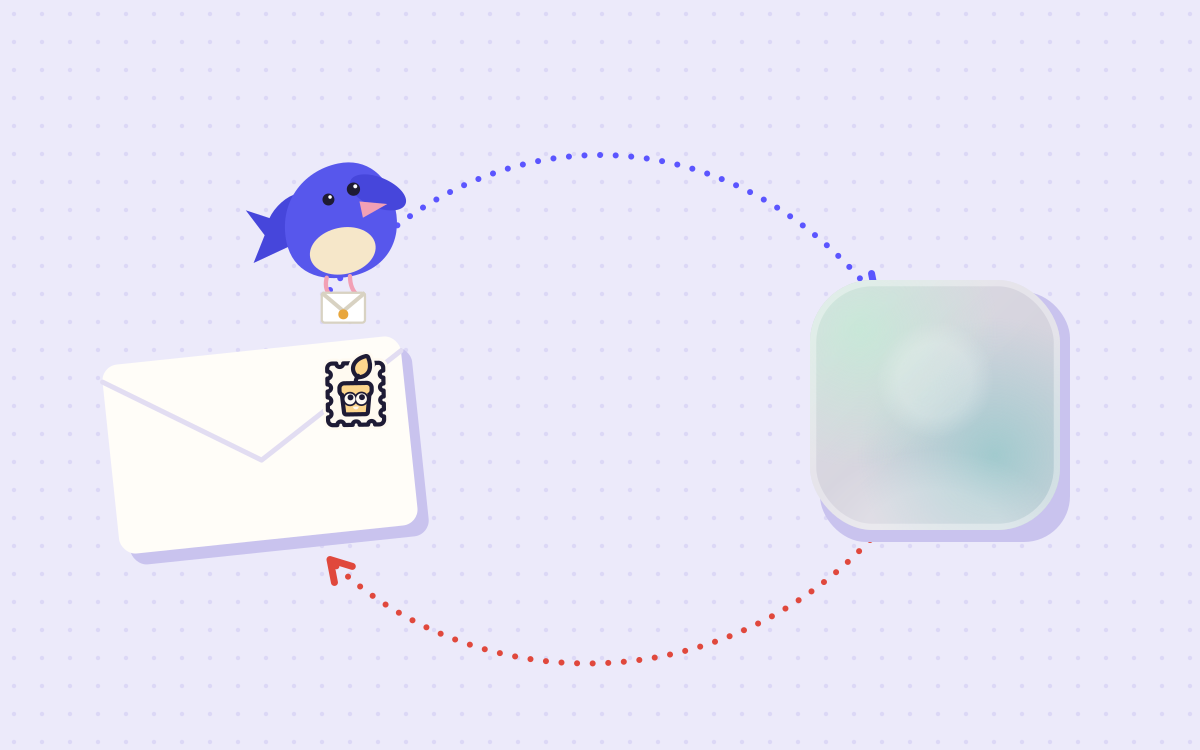
If the day's thought has no reader yet, Notes is a private journal sealed on your device; nothing in it reaches anyone's desk. Kindredly is on iPhone and the web, it has no ads, and there is more on how it keeps strangers apart in safety. It is not a crisis line, and replies come when someone chooses to write one. You can read today's letters without an account and see whether this is a place you would like to write.
Questions people ask
Is there a free app to talk to someone?
Yes. 7 Cups offers free text chats with trained volunteer listeners, TalkLife is a free peer-support community, and Kindredly is a free app for anonymous letters to strangers. Helplines are free too, and Find A Helpline says you don't need to be in a crisis to contact one.
Is it safe to talk to strangers on an app?
It can be, if the app hides your name and face and you keep your own details out of it. Check who is answering, a person or software, look for report and block, and keep money and contact details out of the conversation entirely.
Is talking to an AI as good as talking to a person?
For a bad moment, it can help: a Harvard Business School study found a 15-minute AI chat eased loneliness about as much as a person did. Over time the evidence leans towards people. In a two-week UBC study, only texting another person lowered loneliness.
Where can I talk about my problems anonymously?
A helpline, a listener app such as 7 Cups, or a letter to a stranger on Kindredly all let you talk without your name. For anything that has lasted weeks or is getting worse, a doctor or therapist is the right next step.
I live alone and have no one to talk to. What can I do?
Start small and keep it regular: the WHO suggests everyday steps such as greeting a neighbour, joining a local group or volunteering. In between, a helpline or a listener app can be someone to talk to tonight. If the feeling has gone on for weeks, tell a doctor.
Sources
- World Health Organization: Social connection linked to improved health and reduced risk of early death
- University of British Columbia, Department of Psychology: Texting with a stranger beats a chatbot at easing loneliness
- Harvard Business School Working Knowledge: Feeling lonely? An attentive listener is an AI prompt away
- MIT Media Lab: How AI and human behaviors shape psychosocial effects of extended chatbot use
- Stanford HAI: AI companions may worsen loneliness for vulnerable users
- Find A Helpline: Free, confidential helplines by country
- 988 Suicide & Crisis Lifeline: 988 Lifeline
pick one. i'll wait. (i'm a bird. i'm good at waiting.)
free · no profile · no photos of you
what you type stays on this device